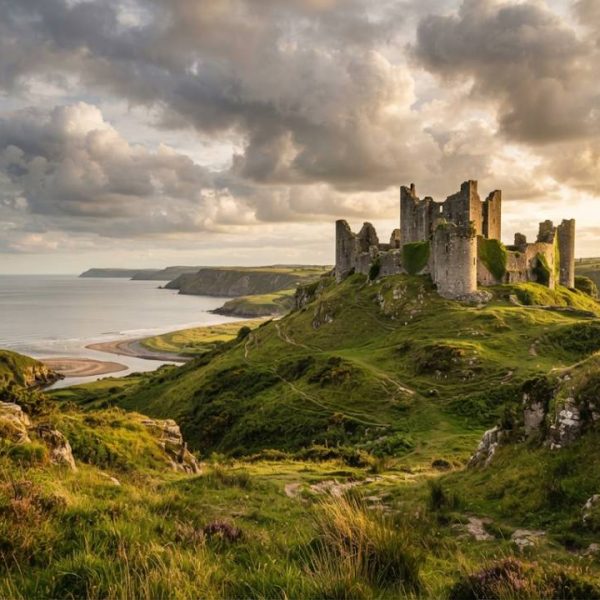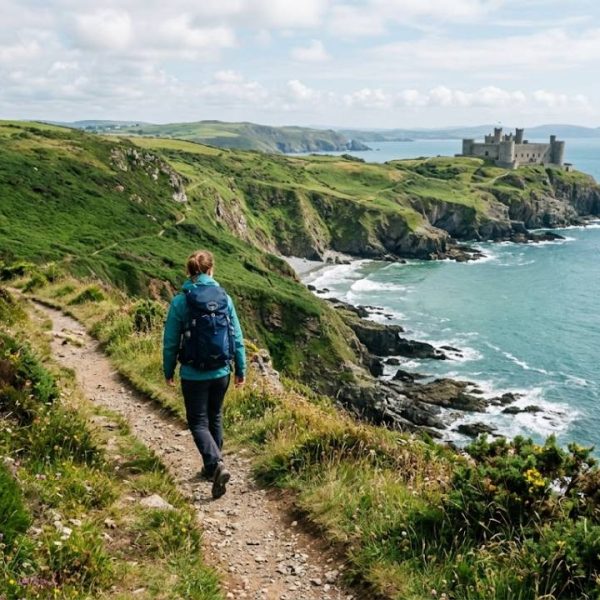
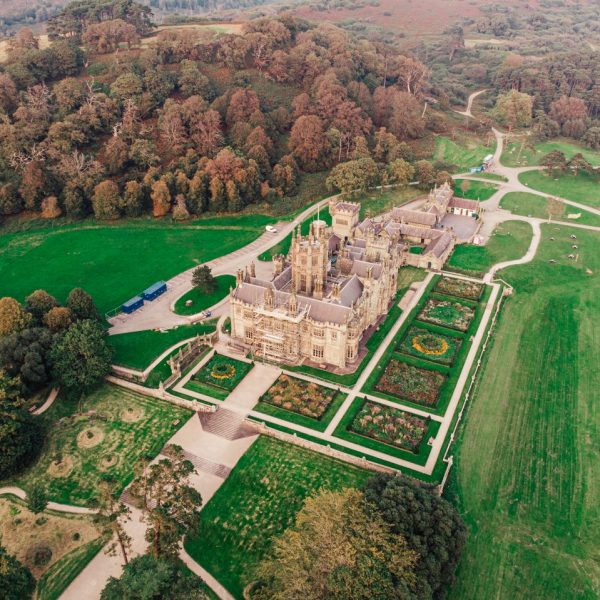
Picture a September ceremony in a castle courtyard with the Brecon Beacons turning gold in the distance. For a growing number of couples from abroad that image is exactly why they choose Wales. The country packs medieval fortresses and wild beaches and mountain chapels into a space you can cross by car in a single afternoon.
Planning a destination wedding here is less complicated than many couples expect. It still comes with rules that catch international guests off guard. The legal side is handled under the law of England and Wales and the paperwork starts long before anyone books a photographer. Couples who read the UK government guidance early tend to avoid the stressful surprises that others meet at the register office.
Why Couples From Abroad Are Choosing Wales
Part of the appeal is scale. Wales has more castles per square mile than almost anywhere in Europe and several of them hold wedding licences. The Orangery at Margam Park near Port Talbot and Hensol Castle near Cardiff both attract couples who want drama without the crowds of a capital city.
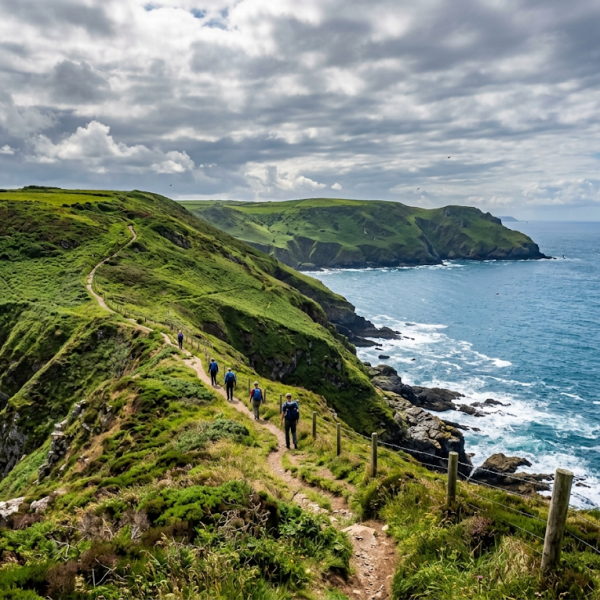
The other draw is value. A country house venue in rural Powys or Pembrokeshire often costs far less than a comparable space near London. Guests also get a short holiday out of the trip with coastal paths and national parks right on the doorstep.
Then there is the culture. Wales is officially bilingual and many couples love the idea of a ceremony that nods to that heritage. A few lines of Welsh in the vows or a harpist playing a traditional melody can make the day feel rooted in the place rather than simply staged there.
The Legal Steps Every Couple Must Follow
The key rule is giving notice. Both partners must attend an appointment at a local register office and declare their intention to marry. Official guidance says notice must be given at least 29 days before the ceremony. The wedding must then take place within 12 months of that date.
There is a catch that trips up many visitors. You can only give notice in a registration district where you have lived for at least seven days. For couples flying in from overseas that often means planning two trips or arriving a full month early.
Couples who are not British or Irish citizens may face extra checks under immigration rules. Depending on nationality and visa status the notice period can be extended while the Home Office reviews the application. Anyone in that situation should speak to the local register office well in advance.
Getting Your Documents Ready
Registrars will ask for proof of name and age and nationality. Usually that means a passport. If either partner has been married before they will also need a decree absolute or a death certificate for the previous spouse.
Here is where foreign couples often run into delays. Any document that is not in English must come with a translation. Birth certificates and divorce papers from Spain or Poland or Brazil all fall into that category. Registrars expect translations that are accurate and complete and clearly linked to the original document.
That is why it pays to use professional certified translation services rather than a friend who speaks both languages. A certified translation carries a signed statement from the translator or agency confirming accuracy. That small detail can be the difference between an approved notice and a rescheduled appointment.
Order translations early. A decree absolute from another country may need to be requested from a foreign court first and that alone can take weeks. Build that time into your plan before you pay a venue deposit.
For couples coming from abroad, the paperwork often includes birth certificates, divorce decrees and name-change documents in another language. Professional document translation services prepare certified versions that registrars accept without question, including the signed statement of accuracy that official offices require. They also know which documents need an apostille or additional legalisation on top of the translation. Getting this step right early removes one of the biggest sources of last-minute wedding stress.
Adding a Welsh Touch to the Ceremony
Welsh belongs to the Brythonic branch of the celtic language family and is closely related to Breton and Cornish. The 2021 census found that around 538 thousand people in Wales could speak it. The Welsh Government wants to reach one million speakers by 2050.
Couples can ask for parts of a civil ceremony to be conducted in Welsh or for a fully bilingual service. Many registrars in North Wales use Welsh every day and are happy to help. The Welsh language is also a lovely source for readings and toasts and place cards.
Some traditions are worth borrowing too. The lovespoon is a carved wooden spoon that young men once gave as a token of affection. Couples today often exchange one as a keepsake or use a set as table decorations. Guests from abroad tend to remember that detail long after the cake is gone.
Practical Tips for International Guests
Wales has no major international hub of its own beyond Cardiff Airport. Most guests fly into London Heathrow or Manchester or Bristol and continue by train or car. Send clear travel instructions at least three months before the date.
Weather deserves a plan too. Even in summer a Welsh afternoon can switch from bright sunshine to heavy rain in minutes. Choose a venue with an indoor option and suggest guests pack a light waterproof jacket.
Accommodation fills quickly in popular areas like Tenby and Snowdonia during school holidays. Reserve a block of rooms early and share booking links with guests as soon as invitations go out. Couples with guests who speak little English might also prepare a simple welcome sheet in their own language covering transport and timings and emergency contacts.
Budgeting Without Nasty Surprises
Beyond the venue and catering the smaller costs add up quickly. Register office fees and translation fees and travel for the notice appointment all belong in the budget from day one. Many couples forget the cost of a second trip to give notice and then scramble to rearrange flights.
International guests traveling to a Welsh wedding rely heavily on their smartphones for navigation, translation apps, and capturing memories of the ceremony. Durable phone accessories — from portable chargers and waterproof cases to car mounts for driving through Snowdonia — keep these essential devices working throughout the celebration. A phone that dies during the speeches or gets damaged in a sudden Welsh downpour can mean lost photos, so quality accessories are a wise investment for any wedding guest.
It also helps to keep digital and paper copies of every document in one folder. Registrars may ask to see originals on the day of the notice appointment and again before the ceremony. A tidy file makes both meetings quick and calm.
A Welsh wedding rewards couples who plan the paperwork as carefully as the flowers. Start with the legal timeline and get every foreign document ready well ahead. Then enjoy the part that matters most which is a day surrounded by castles and hills and the people you love.