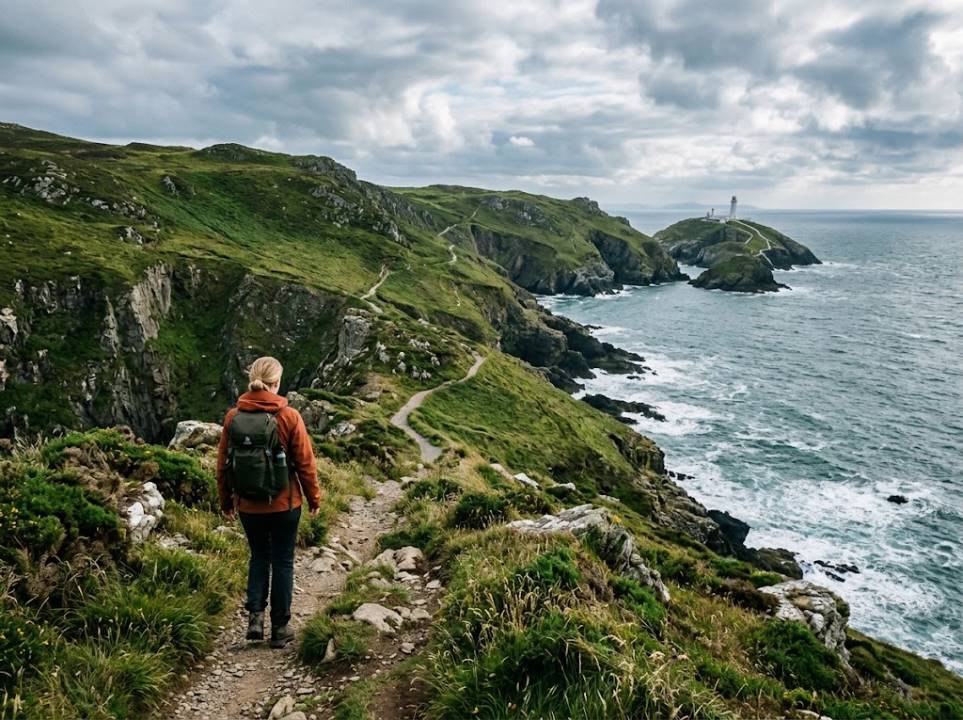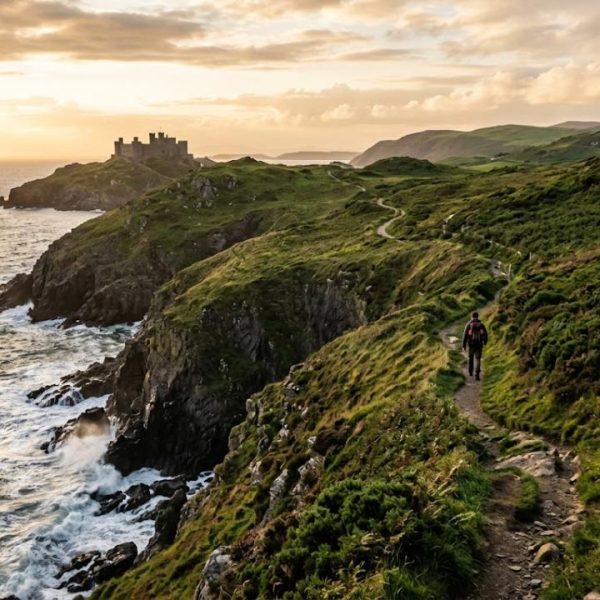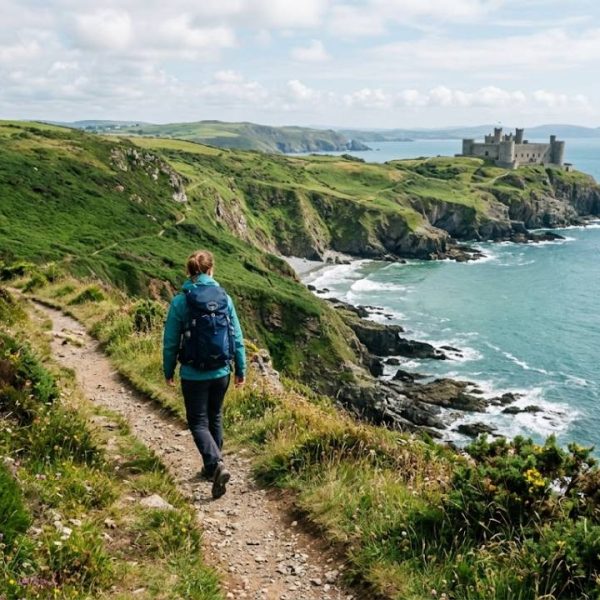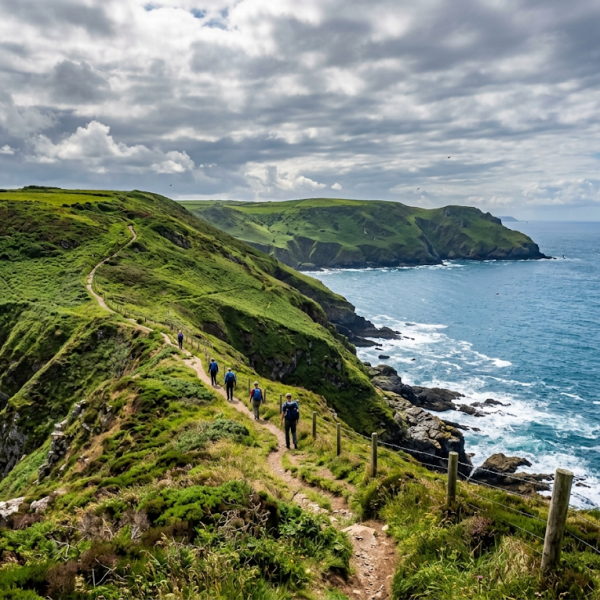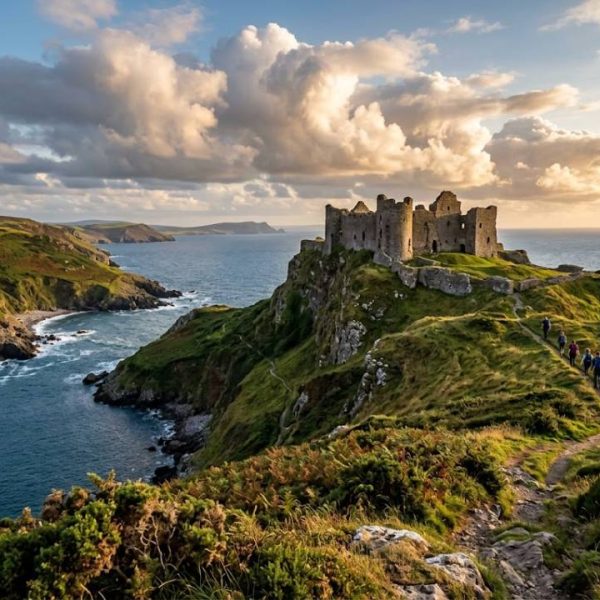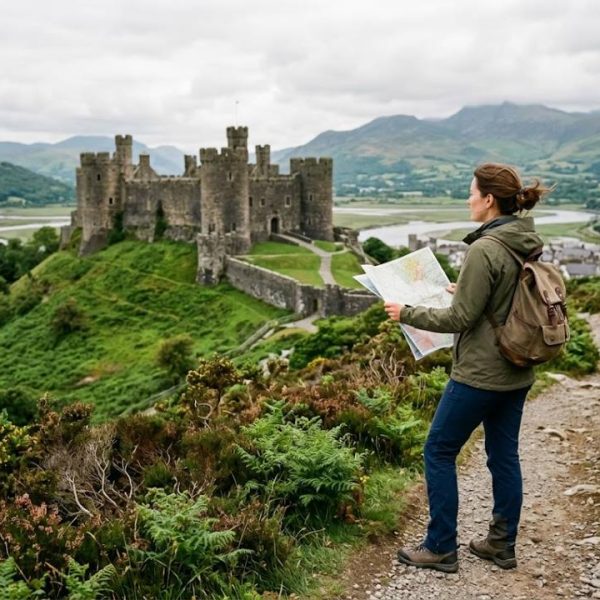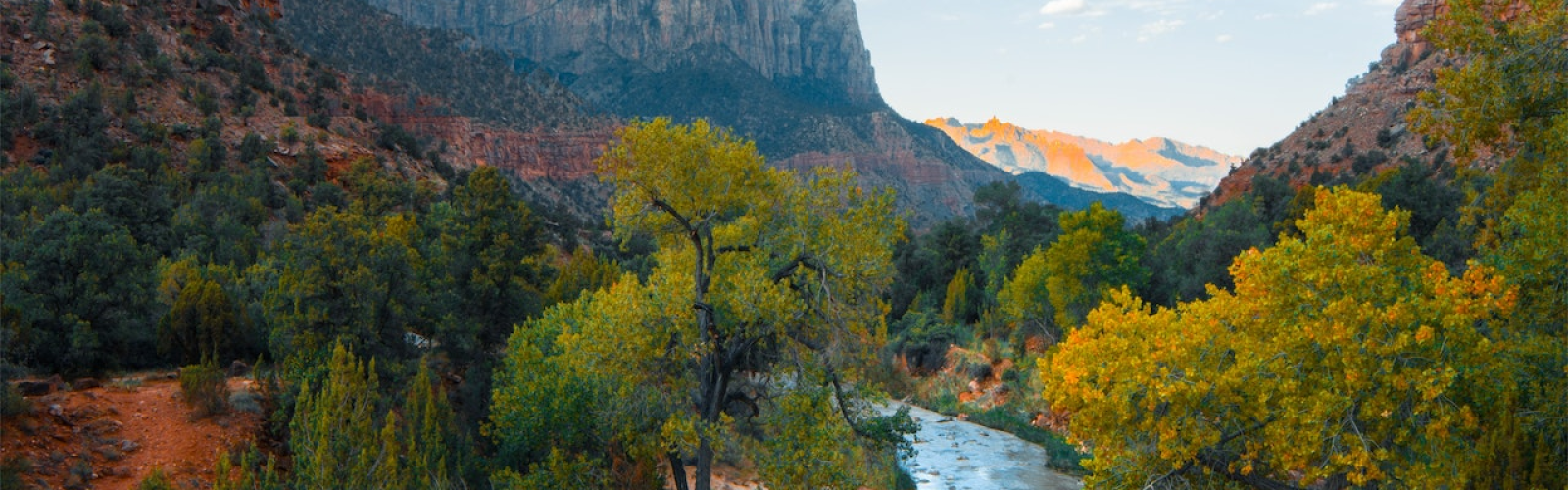
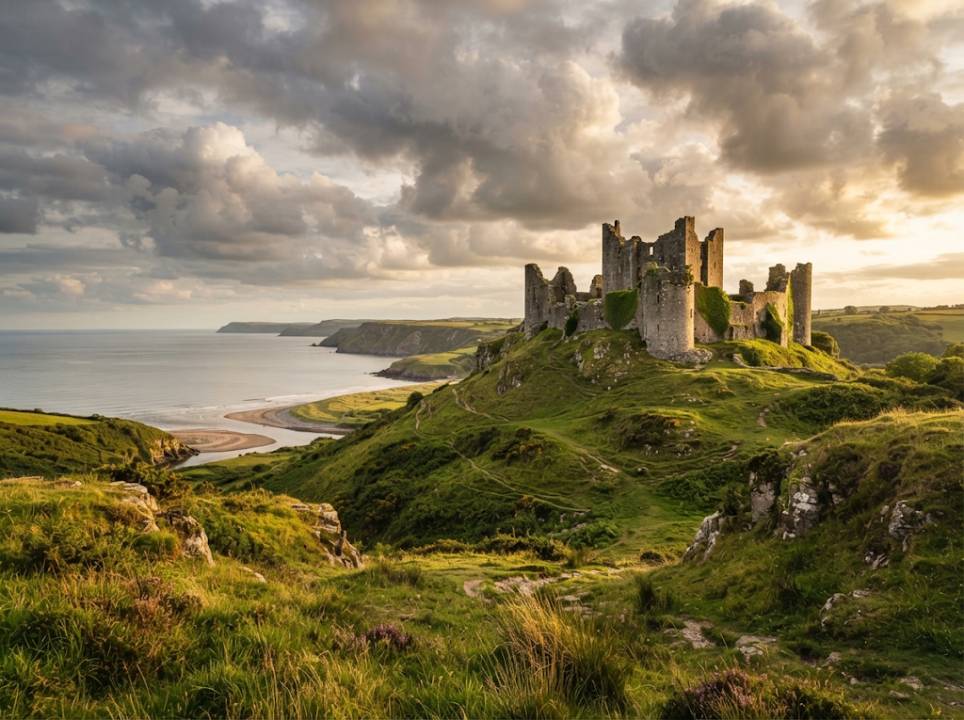
Snowdonia's peaks and the castles dotting the Welsh coastline have quietly become a magnet for visitors well beyond the usual British and American crowds. Tourism boards across Wales have noticed a steady rise in bookings from Eastern European travelers, and that shift is forcing a quiet rethink of how visitor information actually gets written.
A trail map or a castle audio guide that only works in English leaves a growing share of visitors guessing, and guessing tourists rarely become repeat tourists.
Why a small country punches above its weight in visitor numbers
Wales markets itself heavily on landscape and history, and that combination travels well internationally, but only if the information describing it travels just as well. A hiking route description that loses its safety warnings in translation is not a minor inconvenience, it is a liability that regional tourism boards increasingly take seriously.
Local tourism offices have started auditing their multilingual materials the same way they audit trail signage, checking not just for grammatical accuracy but for whether the tone and clarity match what a first-time visitor actually needs.
The backend problem nobody sees at the castle gate
Behind the scenes, several regional tourism bodies now rely on a proper translation management system to keep visitor guides, event listings and safety notices consistent across every language version they publish. When a hiking trail closes for repairs, that update needs to reach every translated version immediately, not two weeks later after someone notices a mismatch.
Without that kind of centralized workflow, tourism sites risk exactly the kind of embarrassing inconsistency that shows up in online reviews, where a visitor complains that the German or Polish version of a page still lists an attraction that closed months ago.
Russian-speaking visitors and a market tourism boards can't ignore
Despite a complicated few years for travel between regions, Russian-speaking visitors remain a meaningful segment for several UK tourism markets, and Welsh tourism boards have responded by investing in proper english russian translation for their flagship attractions, rather than relying on whatever a browser plugin produces on the fly.
Staff who work directly with these visitor groups describe a particular appreciation for historical context that goes beyond a simple date and name, since many travelers arrive already familiar with Welsh history through documentaries and want the on-site materials to match that depth.
Ukrainian travelers finding unexpected comfort in the Welsh countryside
Community organizations across Wales have also worked to make information accessible to Ukrainian visitors and new residents, many of whom arrived under resettlement programs and later became enthusiastic explorers of their new surroundings. Reliable ukrainian to english translation for local event listings and community notices has become an unexpectedly important part of integration efforts, not just tourism marketing.
Several local councils now translate community newsletters as a matter of course rather than an afterthought, having learned that Ukrainian residents often become some of the most active participants in local hiking clubs and heritage tours once language stops being a barrier.
Wales did not become a destination by accident, and a good deal of the growth traces back to campaigns aimed carefully at particular visitor markets. Tourism boards work with tight budgets and have to know which pound produced which booking. Their reliance on targeted digital advertising is a large part of why the country now punches well above its size.
What separates a welcoming destination from a frustrating one
Organizations such as VisitBritain have pointed out for years that visitor satisfaction hinges heavily on information clarity, not just on the attraction itself. A stunning castle with confusing or absent multilingual signage still leaves visitors frustrated, regardless of how impressive the stonework is.
The destinations that get this right tend to treat translation as core infrastructure, budgeted alongside trail maintenance and visitor center staffing rather than squeezed in as a marketing afterthought.
The quiet work behind a warm welcome
None of this translation effort shows up in a postcard photo, but it shapes whether a visitor leaves with a good impression or a frustrated one. The tourism boards investing in this work now are betting, reasonably, that word of mouth among international visitor communities travels just as far as any advertising campaign.
Smaller heritage sites face a harder version of this challenge, since they rarely have dedicated marketing budgets and must decide whether multilingual signage is worth the upfront cost against a visitor base that is, admittedly, growing every year.
What travelers can look for before booking
Visitors who want a sense of how seriously a destination takes international guests can check whether official tourism sites offer more than a machine-translated toggle, whether event listings stay current across languages, and whether local visitor centers can actually answer questions in more than one language.
None of these signs guarantee a perfect trip, but together they suggest a destination that has thought carefully about who is actually showing up at the gate, rather than assuming everyone arrives fluent in English.
As international travel patterns keep shifting, the regions that treated multilingual visitor information as an afterthought a decade ago are increasingly the ones playing catch-up, while smaller destinations willing to invest early are quietly building a loyal following among travelers who remember being genuinely well looked after.